M1 Teck/M1-LC3500 series Innovation . Simplified
← Instrument line
M1-LC3500 series

Ultra-high performance liquid chromatograph

Flexible configuration, high automation and stable measurement — from research to production QC

The M1-LC3500 is M1 Teck's flagship liquid chromatography series, built on more than twenty years of pump, injection and detection engineering. A binary six-channel solvent delivery module, a zero-loss flow-through needle autosampler, a three-stage temperature-controlled column oven and a 1024-array diode array detector share one footprint and one software environment.

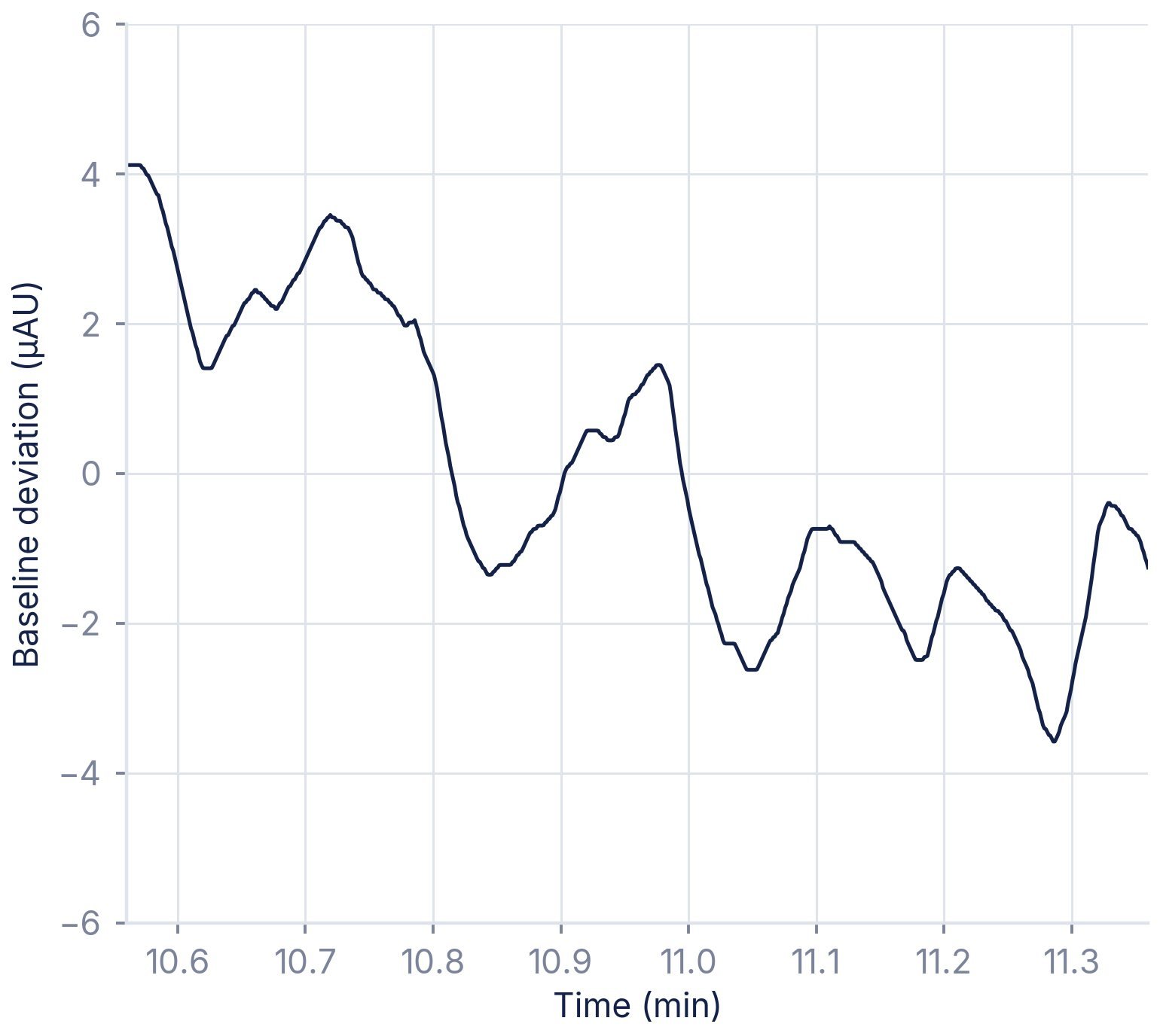
System pressure is 105 MPa as standard, with 130 and 145 MPa upgrade versions. The fourth-generation pulsation suppression algorithm combines an electronic cam drive, dual-plunger coordinated control and dynamic compression compensation, so baselines settle to 4 µAU noise with a well-maintained column.

Four further detectors — refractive index, UV, fluorescence and evaporative light scattering — extend the platform, each with local touch control, workstation mode and analogue and digital output for compatibility with other chromatography systems.
M1-LC3500 Series
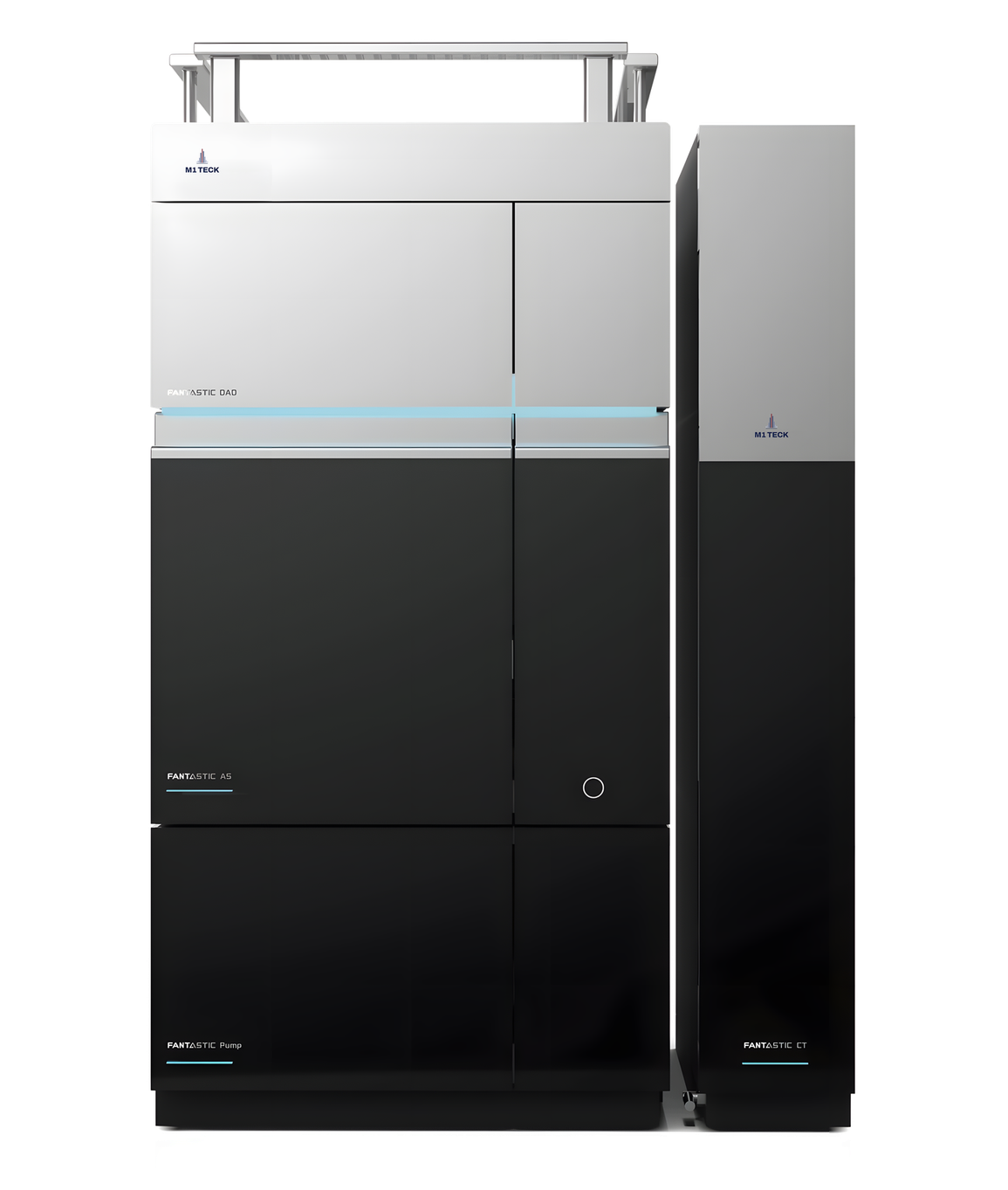
M1-LC3500 — P3500 pump, AS3500 autosampler, CT3500 column oven and DAD3500 detector
System pressure
105 MPa
DAD scanning
200 Hz
Baseline noise
4 µAU

System design

P3500 — engineered for pressure stability
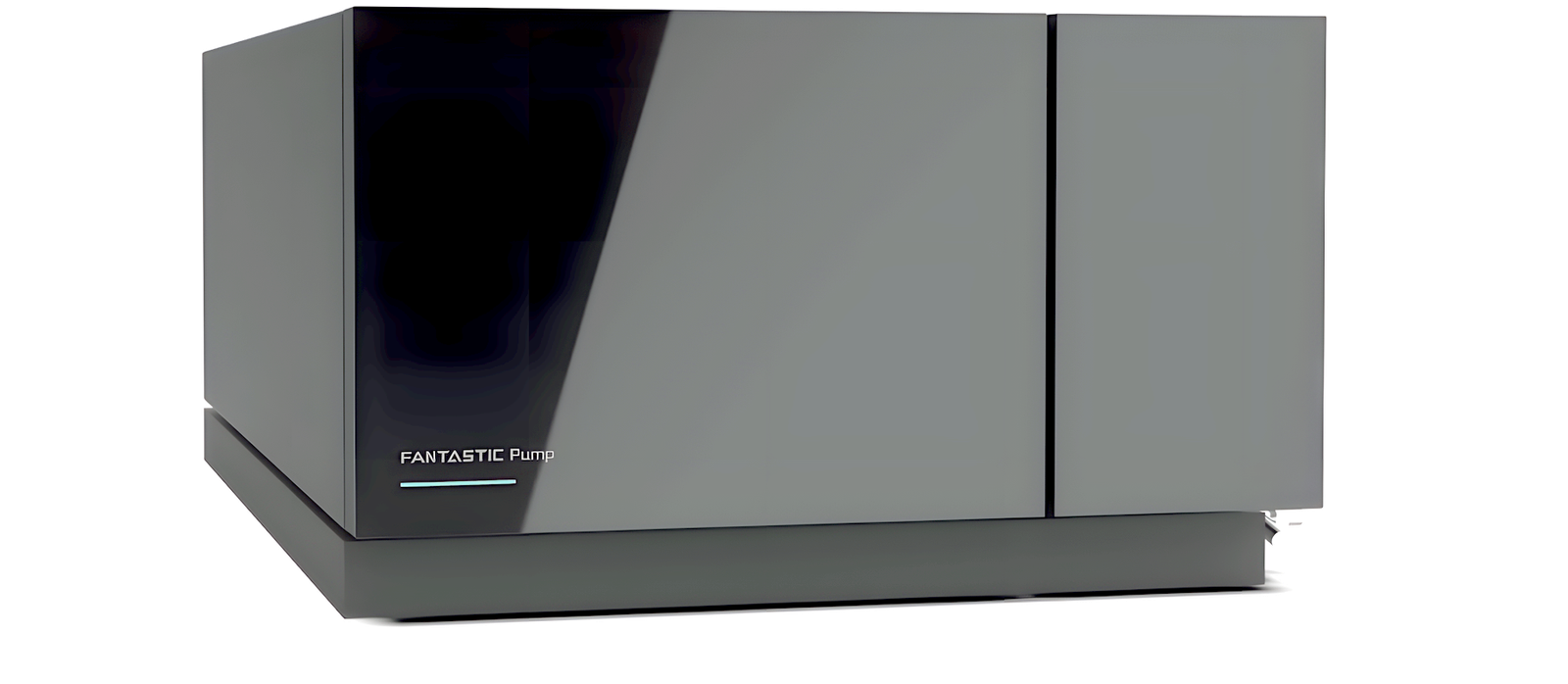
P3500 binary six-channel pump

P3500 — engineered for pressure stability

+Linear motor pump and serial cam pump options on a binary six-channel flow path.
+316L stainless steel pump head as standard; titanium alloy and PEEK optional.
+105 MPa system pressure, with 130 and 145 MPa upgrade versions.
+Active seal washing with seal monitoring extends seal life by more than 50 %.
+Precise 1–99 % gradient ratio with electronic pulsation suppression.
AS3500 — zero-loss flow-through needle injection
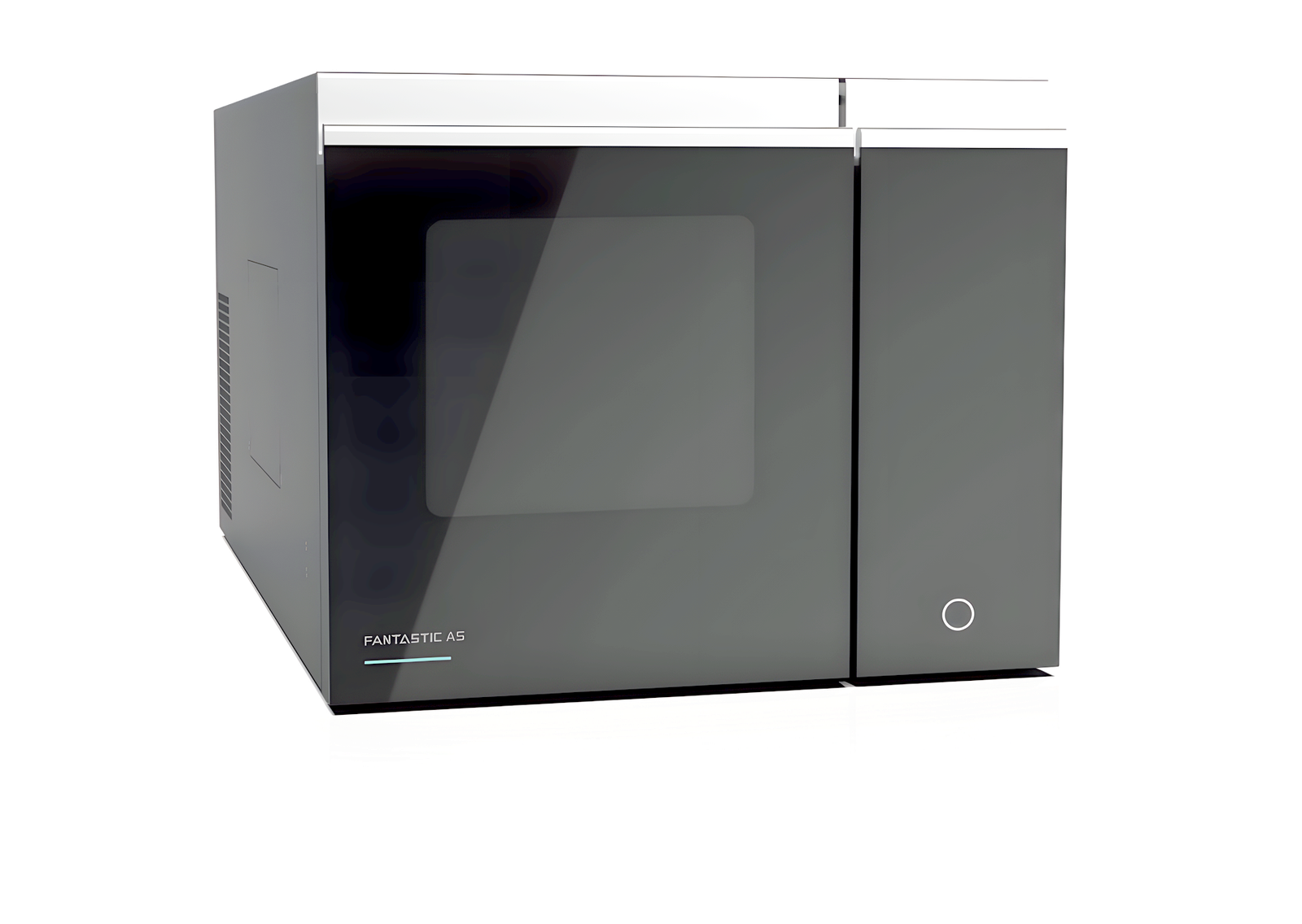
AS3500 refrigerated flow-through needle autosampler

AS3500 — zero-loss flow-through needle injection

+Flow-through needle with metering pump injection — every drop of sample enters the column.
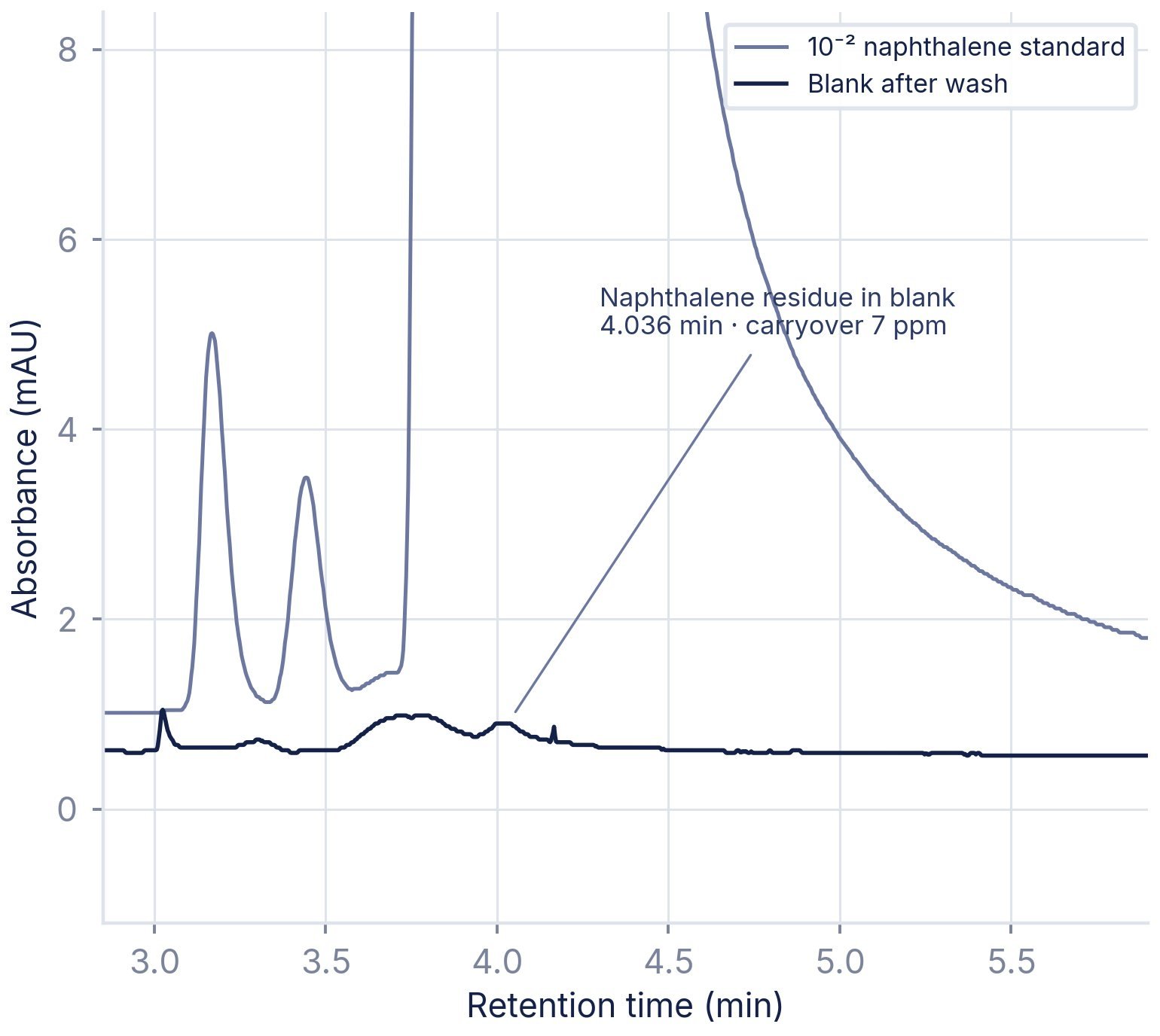
+Three wash solution sources: polar, non-polar and a biological enzyme cleaning agent; residue below 1 ppm after a 1000 → 0.01 µg/mL switch.
+Injection range 0.1–50 µL, optional 100 µL, expandable to 1000 µL.
+216-vial tray, 96- and 384-well plates; compartment held at 4 ± 0.1 °C.
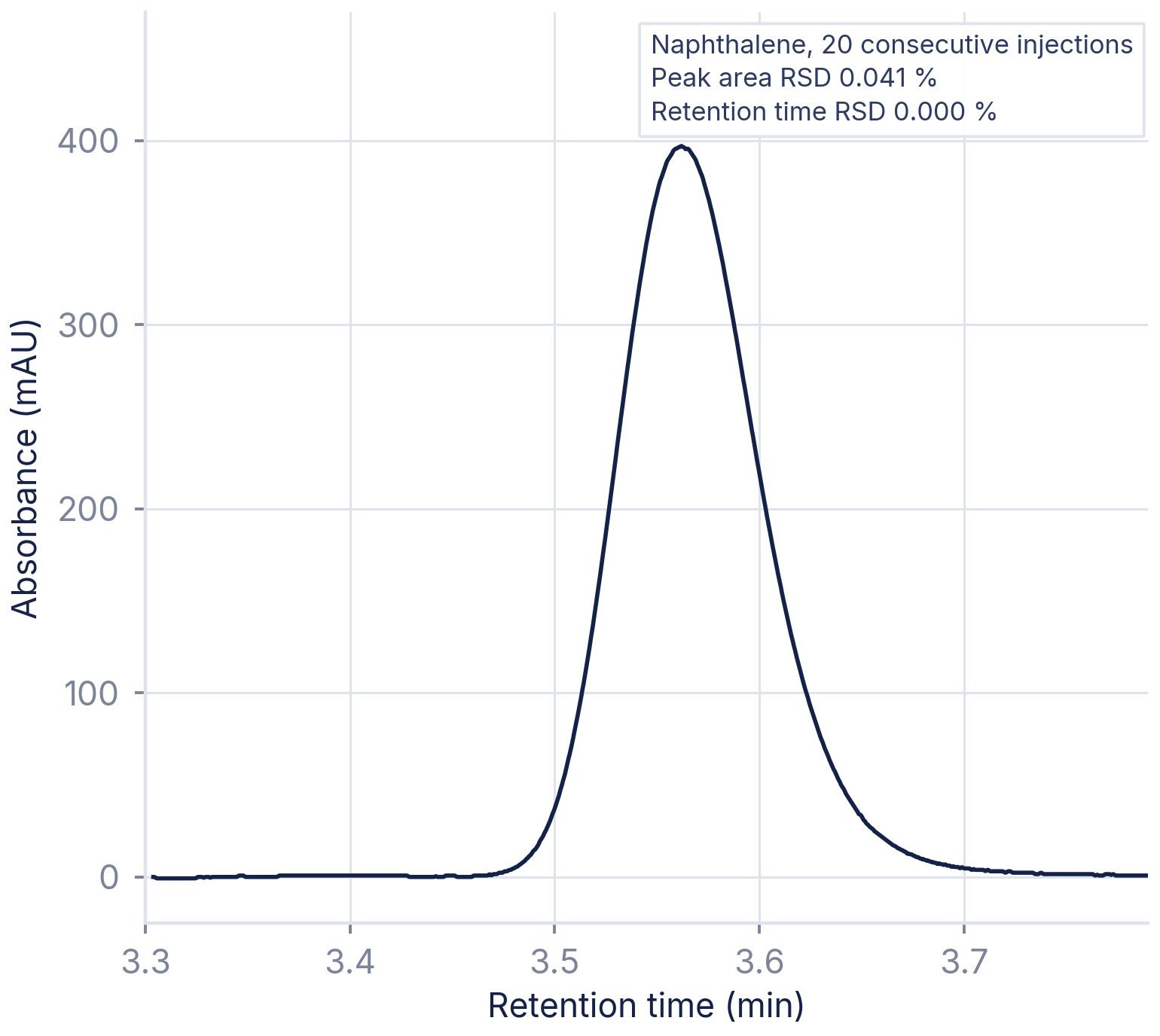
+Peak area RSD 0.041 % over twenty naphthalene injections.
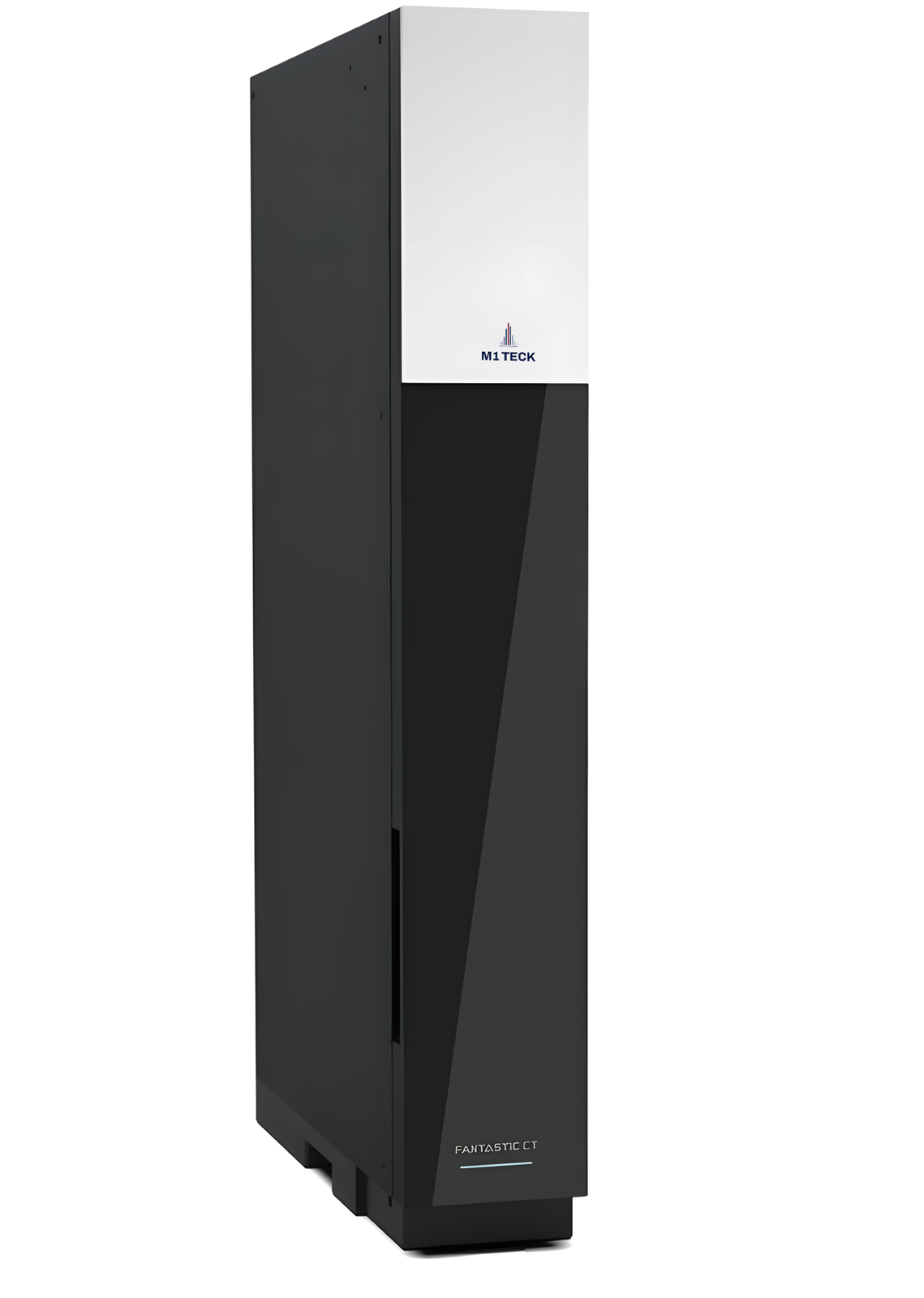
CT3500 — three-stage temperature control
CT3500 column oven

CT3500 — three-stage temperature control

+Semiconductor cooling and resistive heating across 4–120 °C.
+Forced-air or still-air modes; passive pre-heating standard, active optional; active post-column cooling standard.
+Up to six 150 mm columns per compartment, two built-in high-pressure switching valve positions.
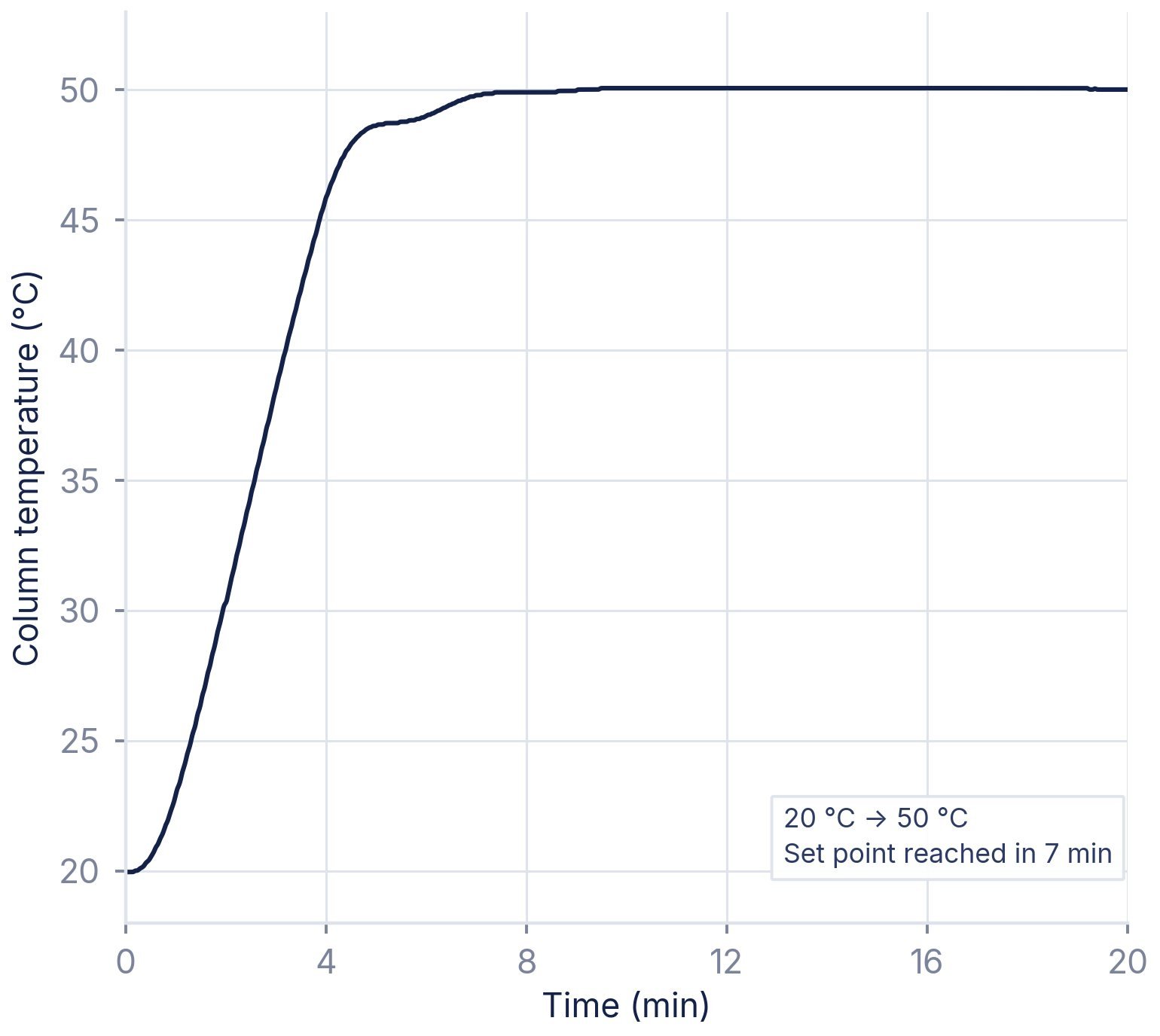
+20 → 50 °C in seven minutes; 50 → 20 °C in fourteen.
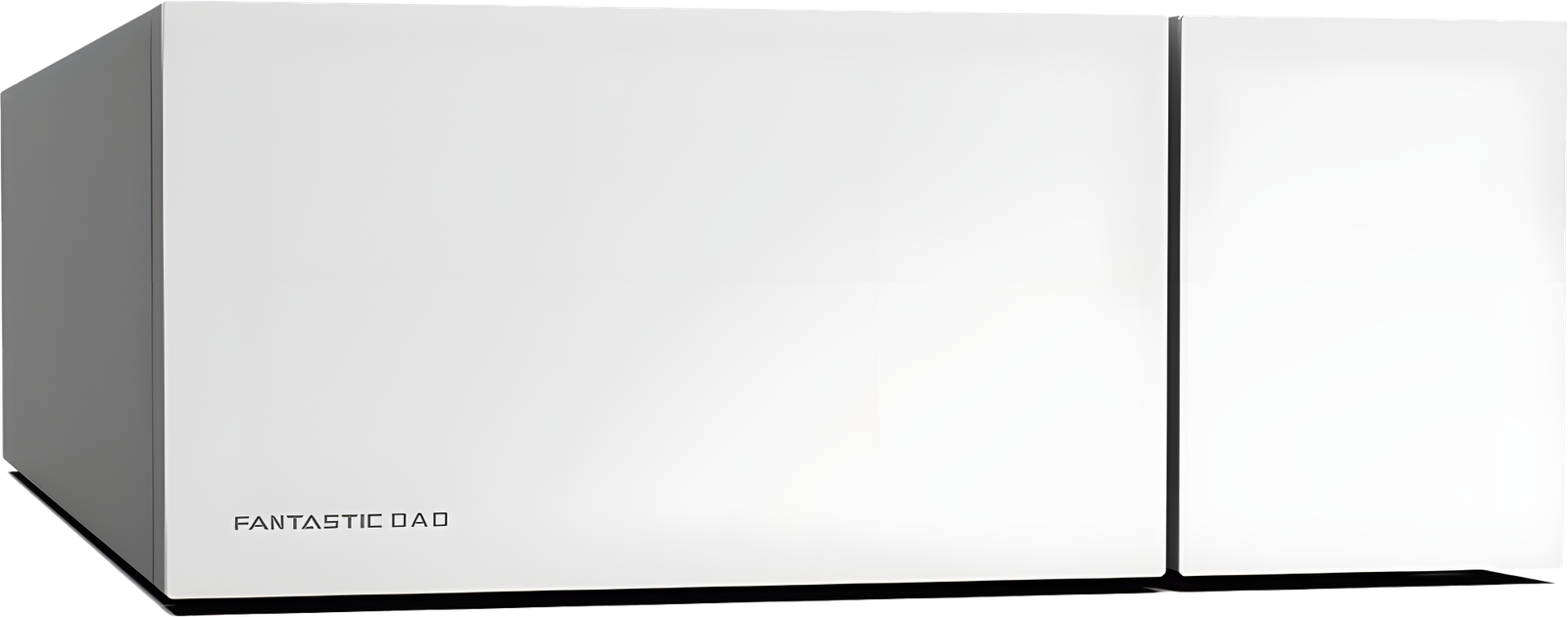
DAD3500 — 1024-array, 4 µAU noise
DAD3500 diode array detector

DAD3500 — 1024-array, 4 µAU noise

+1024-element array with variable slit — 0.6 nm/pixel spectral resolution.
+Deuterium and tungsten dual lamp mode; deuterium lamp life over 10 000 hours.
+Triple temperature control of lamp chamber, flow cell and optical chamber — injection within 30 minutes of start-up.
+Standard mode above 2.5 AU and wide range mode of 4 AU or more, with 0.81 % deviation at 3 AU.
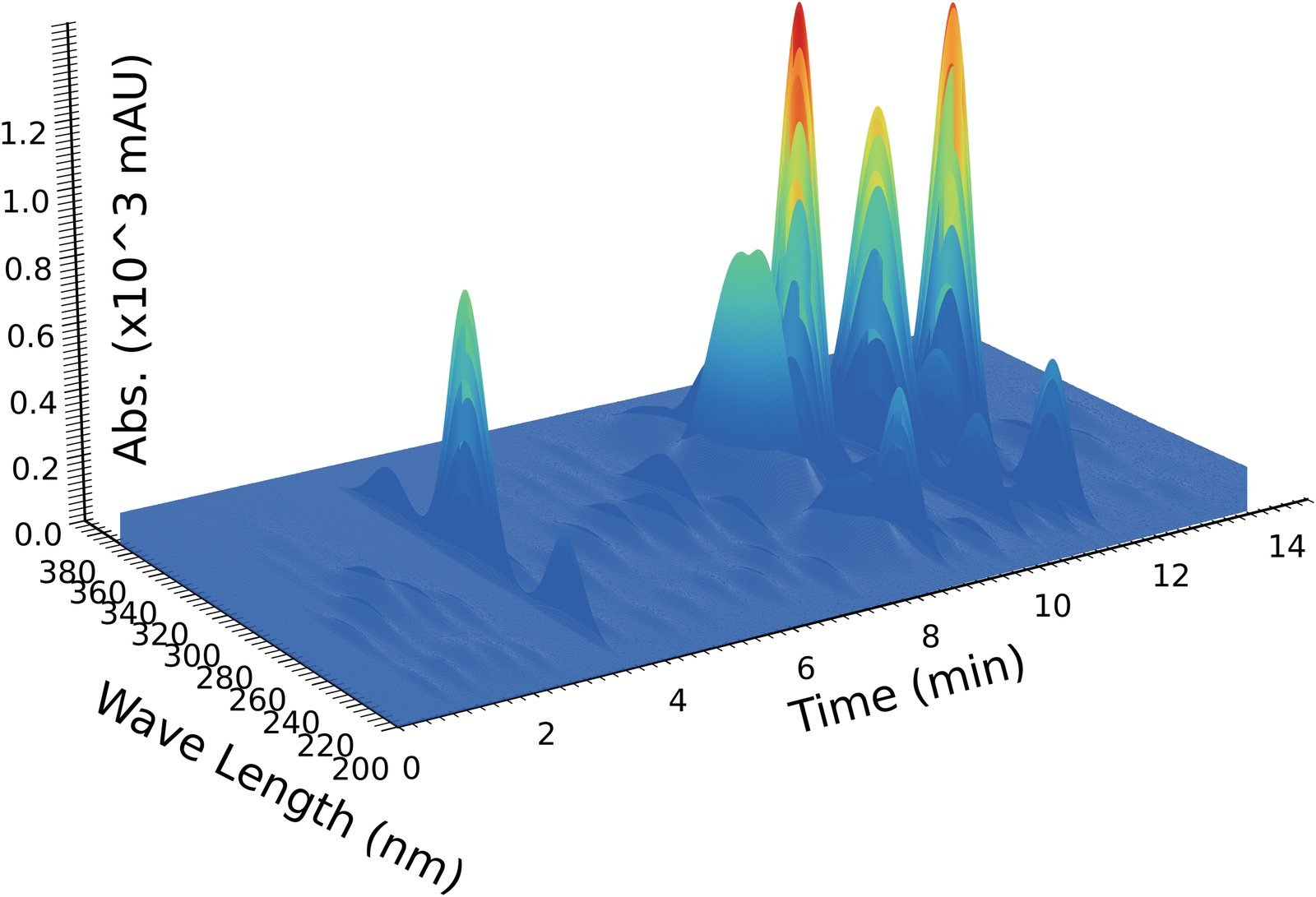
+Ten fixed channels plus a 3D scanning channel at 200 Hz, with built-in peak purity.

Built in

Detector range

+Refractive index — two-chamber design, long-life LED source, automatic reference cell flushing.
+UV — deuterium and optional tungsten lamps for 188–900 nm, multi-dimensional wavelength calibration, ratio chromatograms.
+Fluorescence — dual monochromator, four simultaneous wavelength channels, DC xenon lamp.
+Evaporative light scattering — low-temperature evaporation, built-in mass flow control, stainless steel drift tube.

Integration and results

+The integration algorithm evaluates the first derivative alongside the raw signal, so shouldered and partially resolved peaks are found without hand-tuning.
+Integration wizard — peaks identified and integrated by dragging and clicking in the chromatogram window.
+Real-time associated results: peak table, compound table and calibration curve alongside the chromatogram.

Data compliance

+Password complexity and rotation policies aligned with laboratory and regulatory requirements.
+Role-based permission management across multi-user chromatography data systems.
+Independent, closed audit trail of GXP record creation, editing and deletion.
+Encrypted electronic signatures recording account, time and meaning.

Online derivatisation

+Laminar flow mixing forms an instant reaction, complete before the sample enters the column.
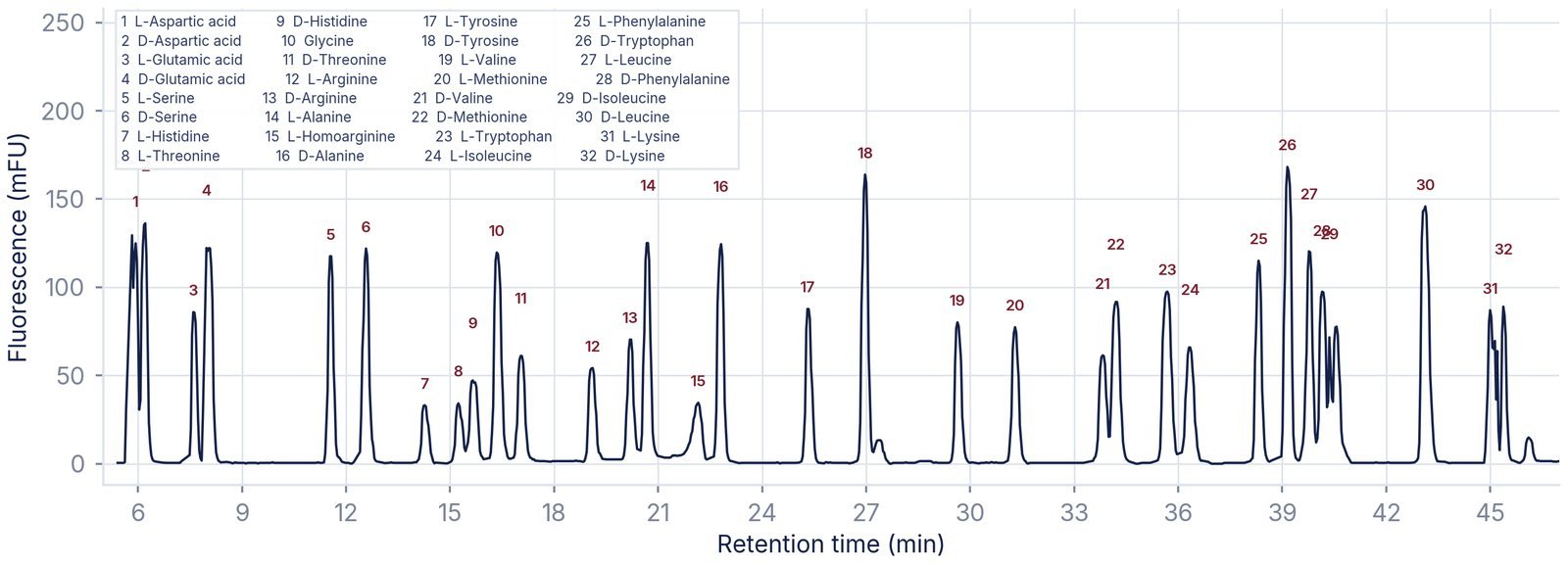
+Thirty-two L- and D-amino acid pairs resolved in a single 47-minute run with fluorescence detection at 450 nm.

Measured performance

Injection linearity is held across three ranges — R = 0.99997 (10–600 µL), 0.99999 (2–10 µL) and 0.99993 (0.1–1.0 mg/L). Blank carryover after a 10⁻² naphthalene injection is 7 ppm with a single wash solution and approaches zero with three. Peak area RSD over twenty naphthalene injections is 0.041 %, and retention time RSD across a 23-preservative mixture (N = 7) is below 0.05 %.
Key figures
System pressure
105 MPa
130 / 145 MPa upgrade
DAD baseline noise
4 µAU
< 10 µAU aged cell
Peak area RSD (N = 20)
0.041 %
naphthalene
Retention time RSD
< 0.05 %
23 preservatives, N = 7
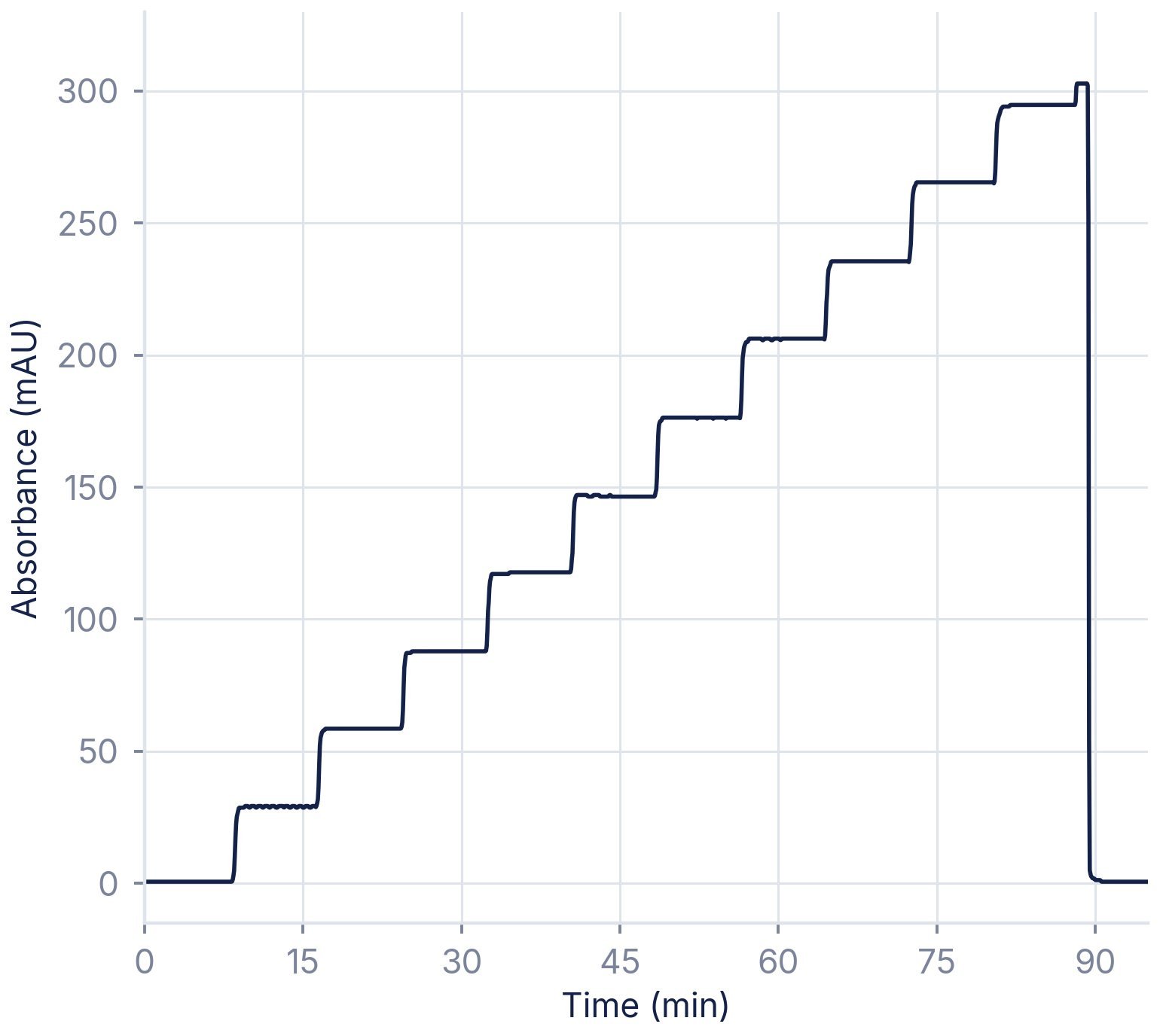
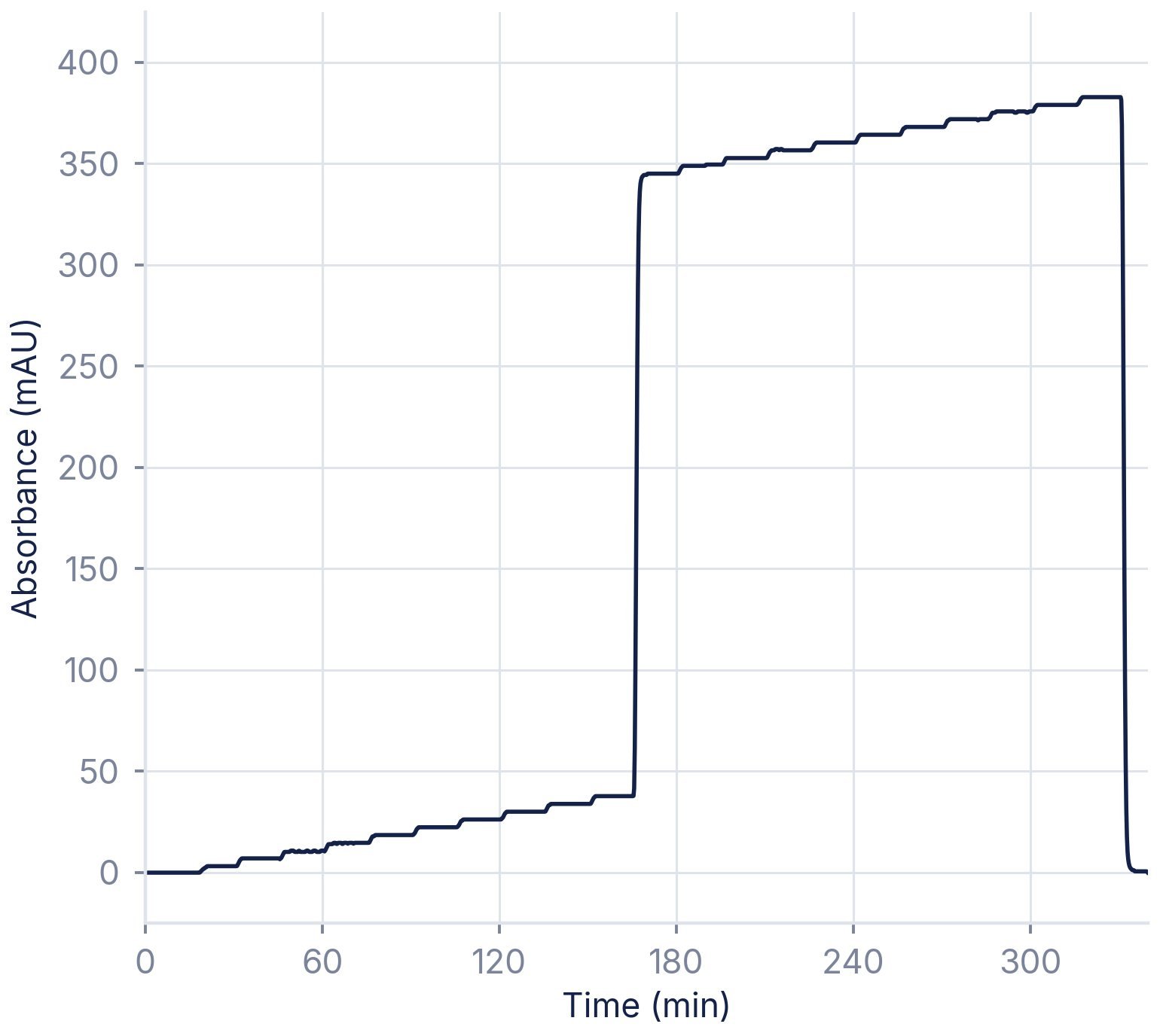
Gradient repeatability — stepped 1–99 %, three runs
Small gradient ratio — 1 % steps resolved
Naphthalene, twenty consecutive injections
Blank after a 10⁻² naphthalene injection — 7 ppm
DAD baseline — noise held to 4 µAU
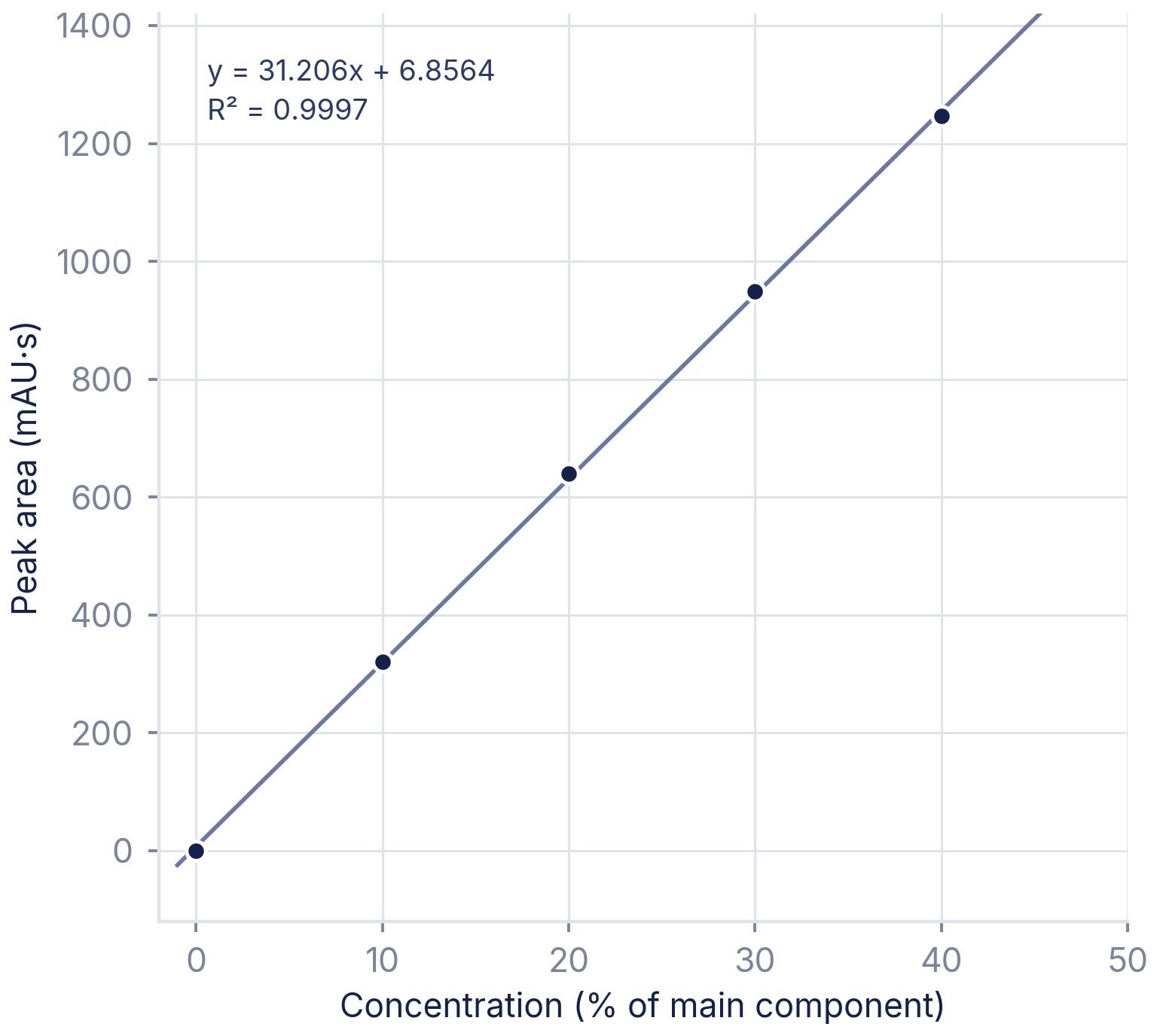
Wide range mode calibration, R² = 0.9997
Time–wavelength–response 3D spectrum
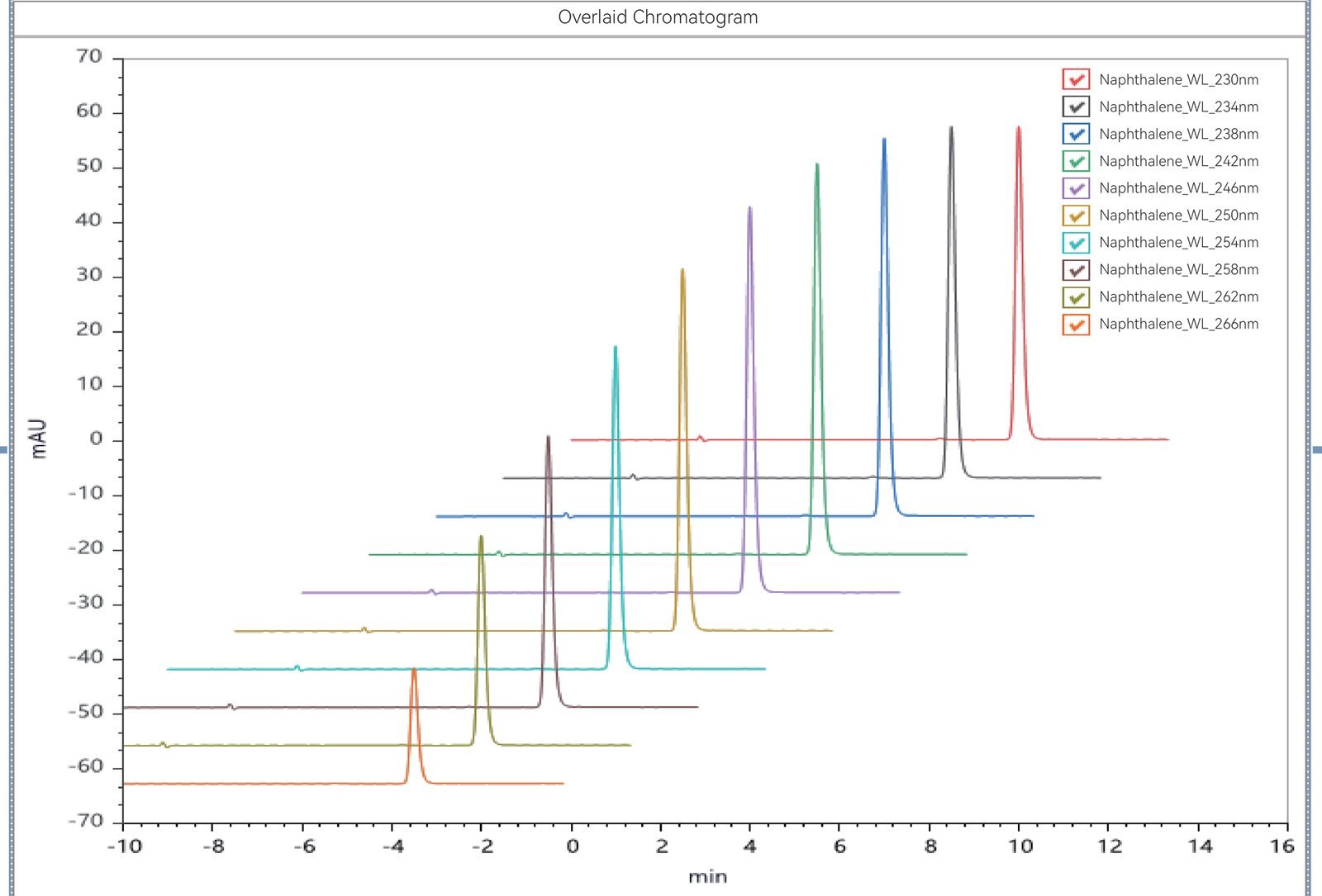
Ten-channel overlay, naphthalene 230–266 nm
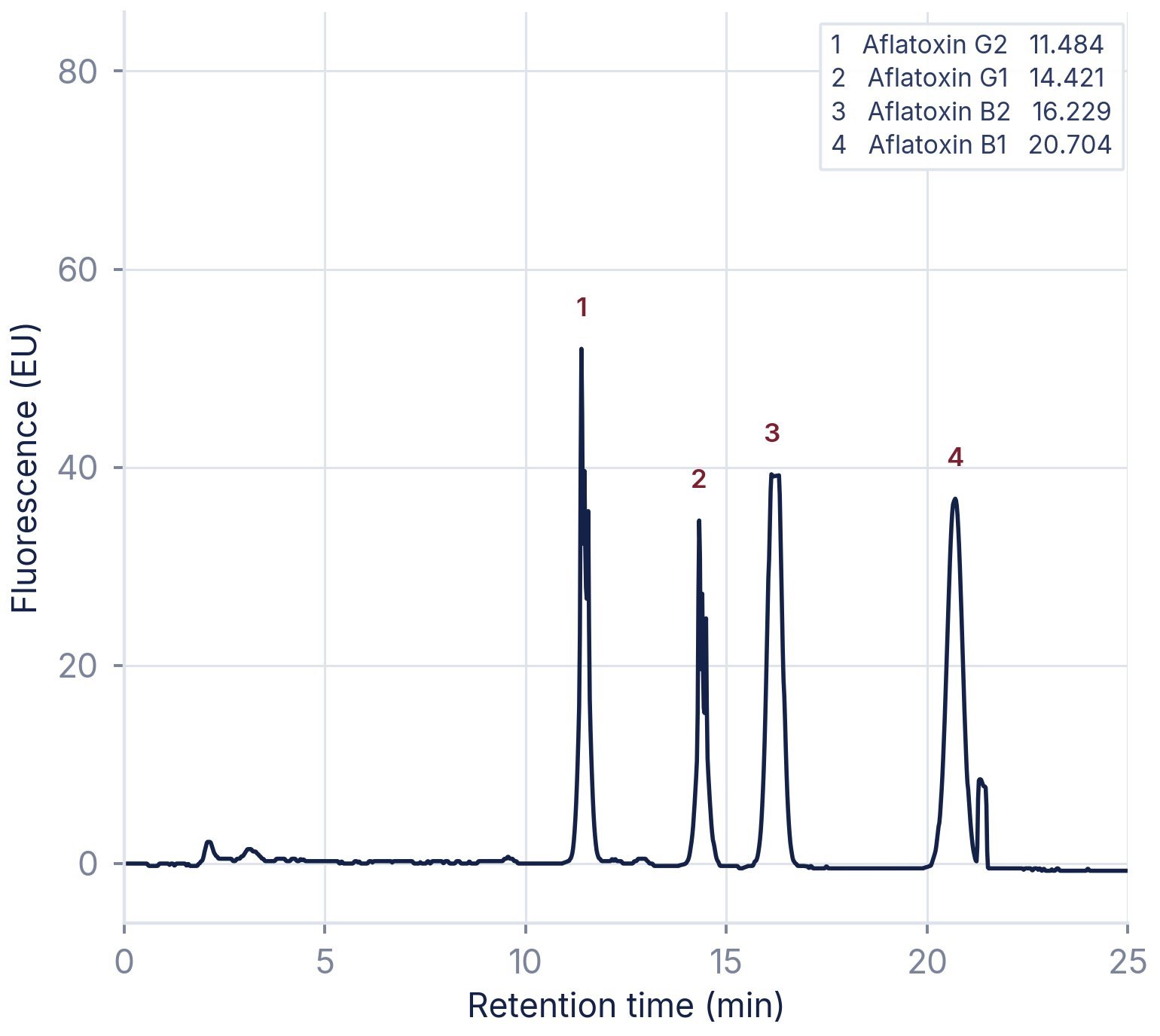
Aflatoxins — photochemical derivatisation
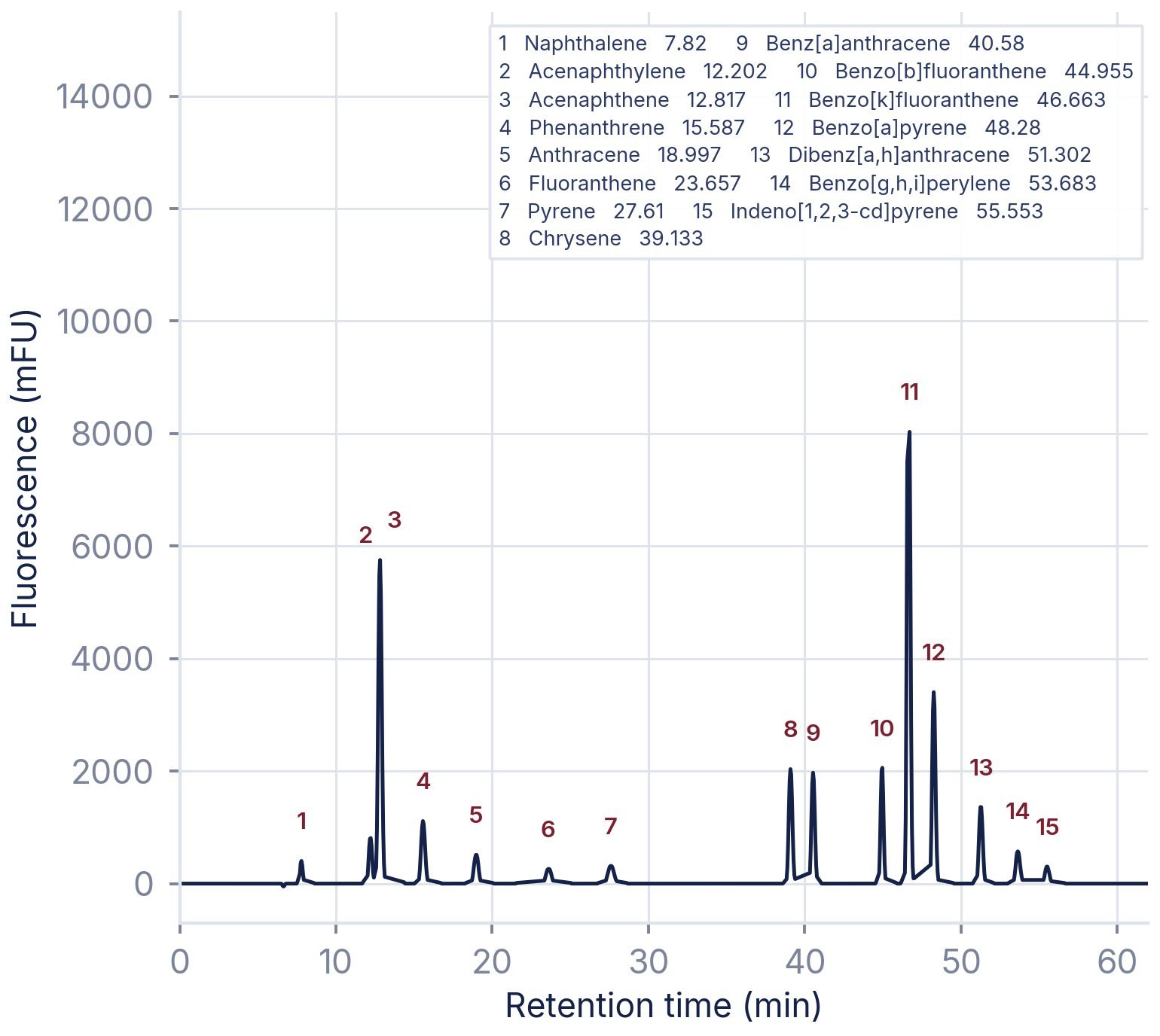
Fifteen PAHs — fluorescence detection
Thirty-two amino acids by online derivatisation
Column oven heating, 20 → 50 °C in seven minutes

Powerful and intelligent software
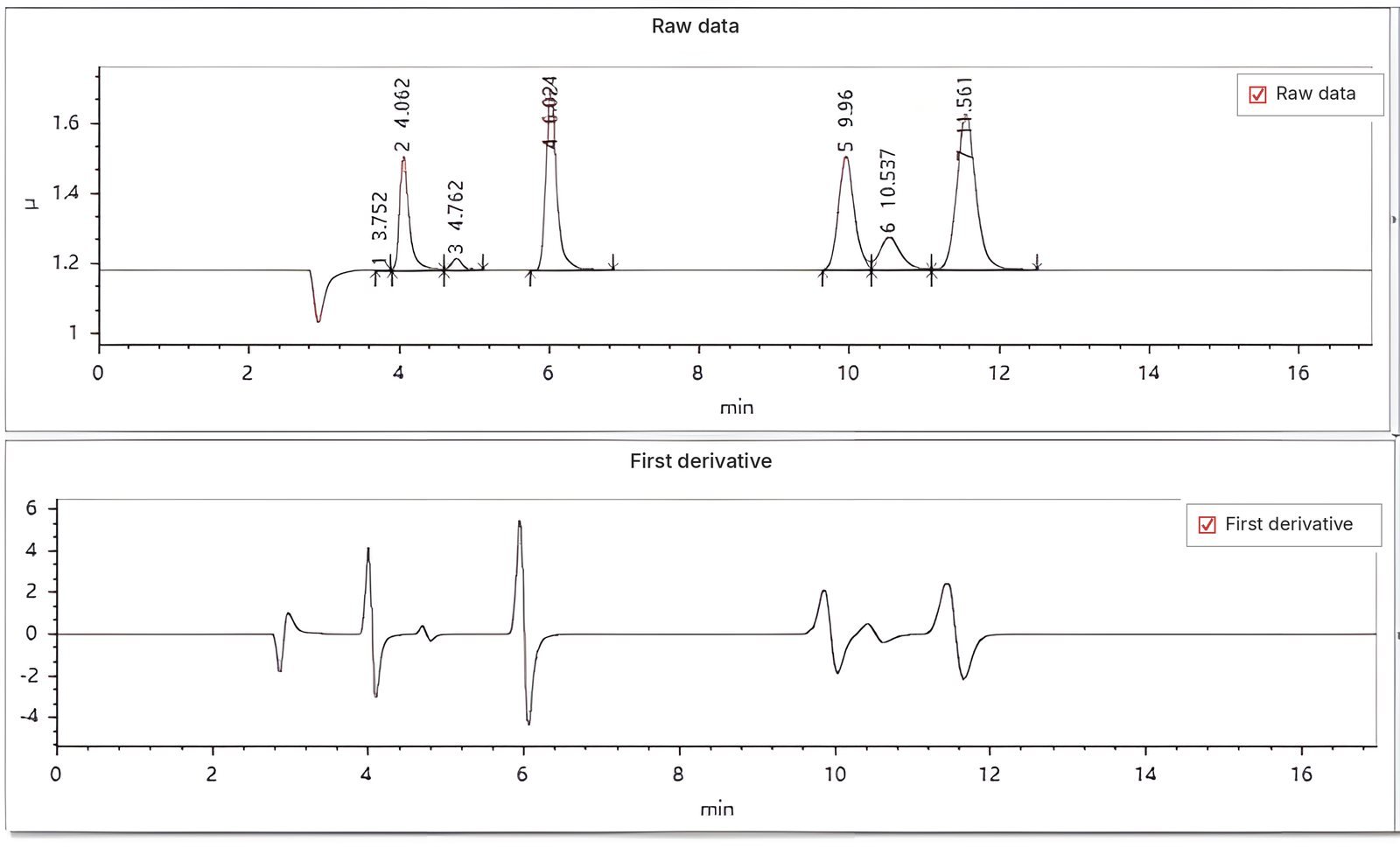
Newly designed integration algorithm

Newly designed integration algorithm

Peak start, apex and end are located from the shape of the curve itself, using the first derivative alongside the raw signal.
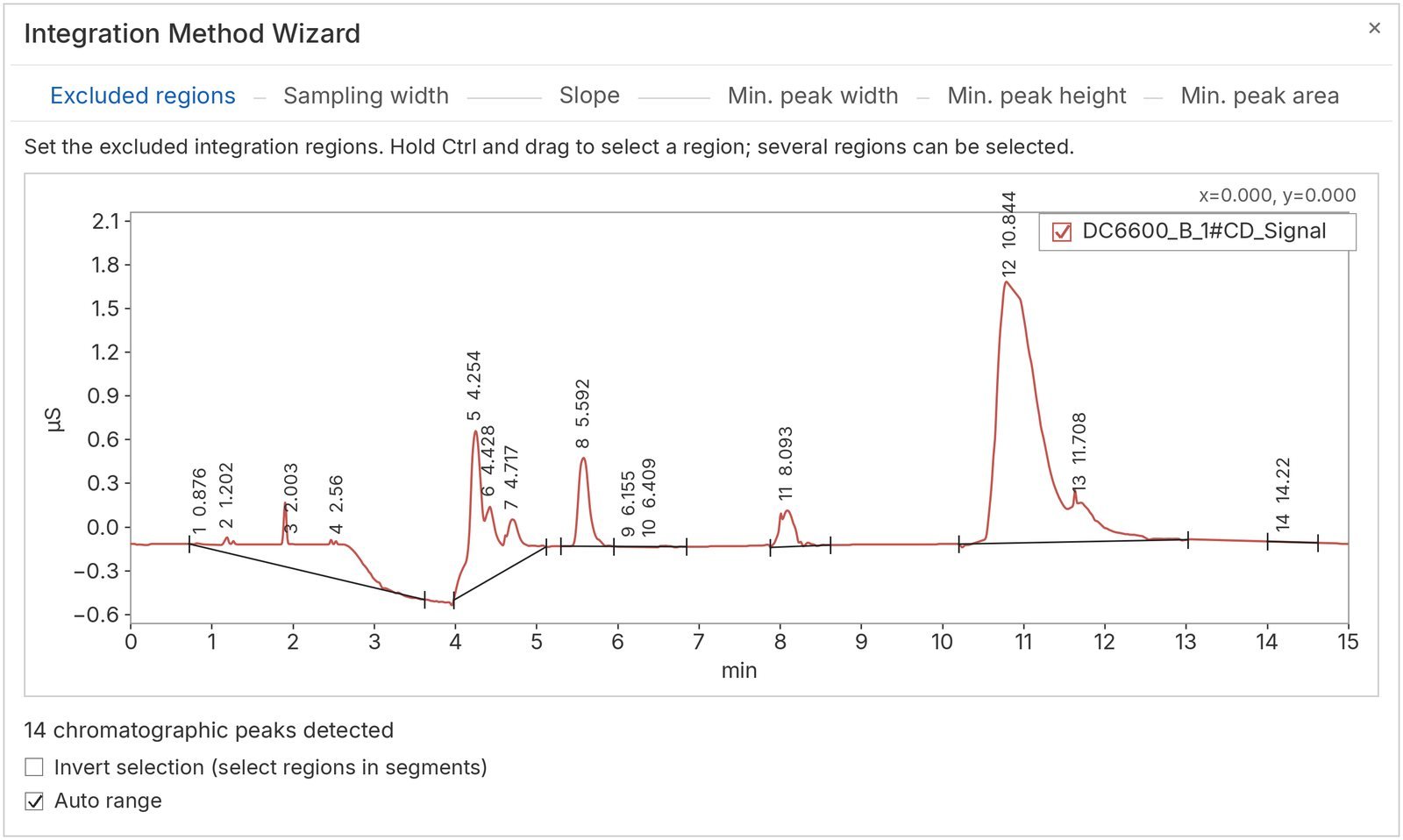
Integration wizard

Integration wizard

Peak identification and integration completed by dragging and clicking in the chromatogram window, without manual integration timetables.
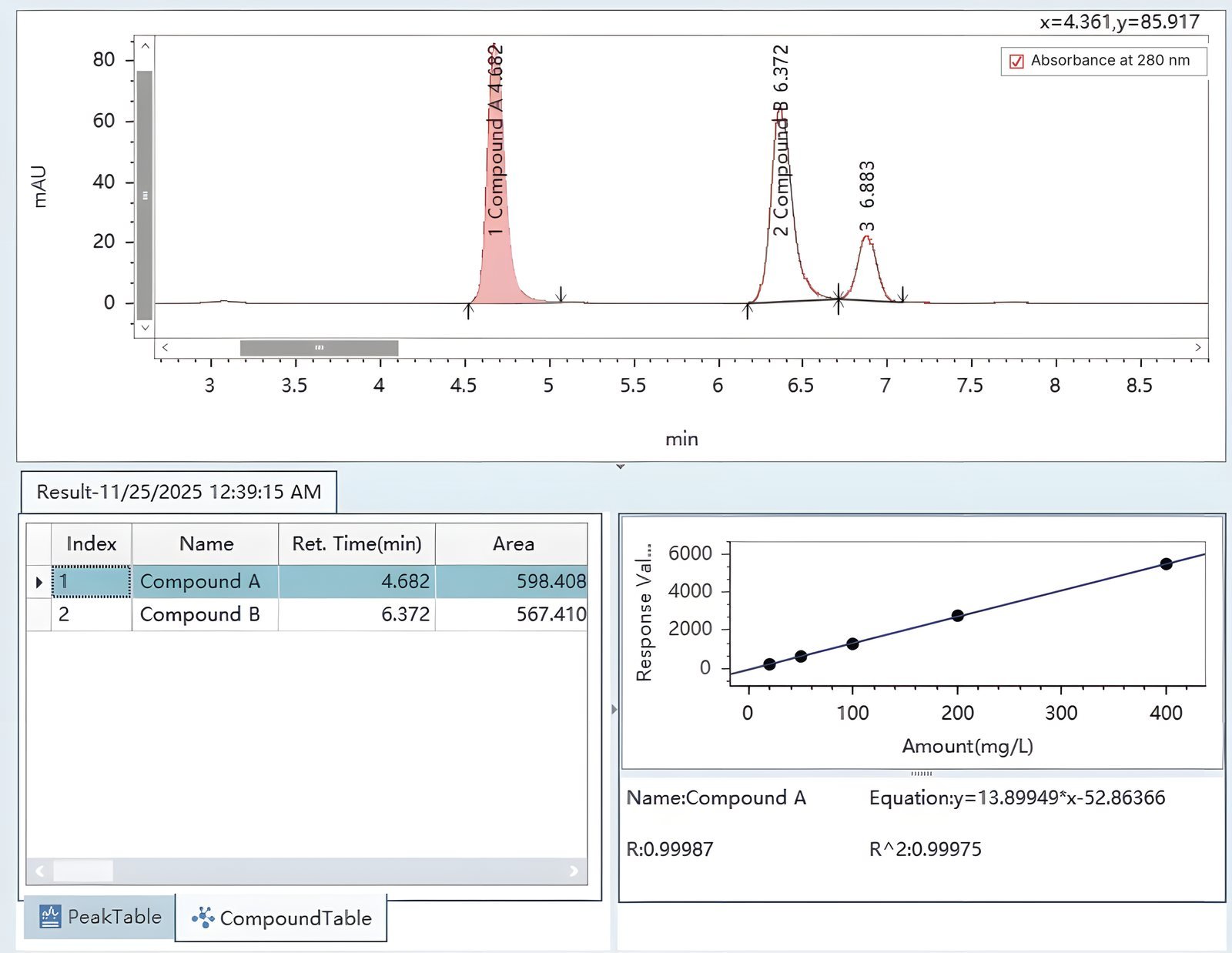
Real-time associated results

Real-time associated results

A built-in relational database shows peak table, compound table and calibration curve alongside the chromatogram in real time.
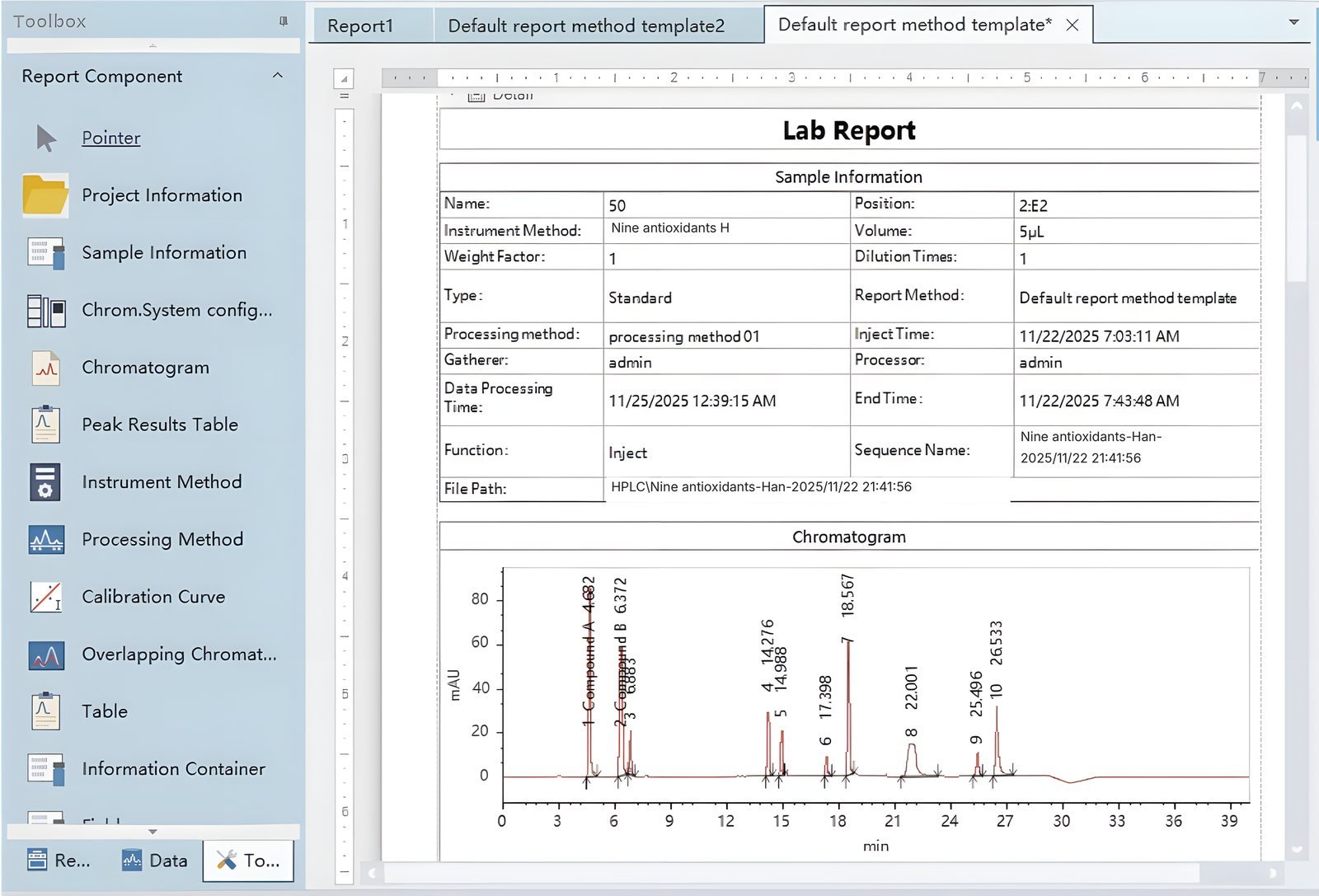
Flexible result reports

Flexible result reports

Predefined report templates output results immediately, or are customised with images, colours and borders to match laboratory requirements.

Specifications

P3500 solvent delivery
Pump types
Linear motor or serial cam, binary six-channel
Pressure
105 MPa; 130 and 145 MPa versions
Pump head
316L stainless steel; titanium or PEEK optional
Gradient
1–99 %, electronic pulsation suppression
AS3500 autosampler
Injection
Flow-through needle, 0.1–50 µL (100 µL / 1000 µL options)
Capacity
216 × 2 mL vials; 96- and 384-well plates
Cooling
4 ± 0.1 °C compartment, 4 ± 0.3 °C in vial
Wash
Three solutions, inner and outer needle wash
CT3500 column oven
Range
4–120 °C, heating and cooling
Capacity
Six 150 mm columns per compartment
Valves
Two high-pressure switching positions
Airflow
Forced air or still air
DAD3500 detector
Array
1024 elements, 0.6 nm/pixel, variable slit
Scan rate
200 Hz
Noise
4 µAU
Channels
Ten fixed plus 3D scanning

Configurations

P3500
Binary six-channel pump with degasser, seal wash monitoring and 400 µL mixer.
AS3500
Refrigerated flow-through needle autosampler with metering pump and multi-port wash.
CT3500
Column oven with upper and lower high-pressure valve modules, pre-heating and post-column cooling.
DAD3500
Triple temperature-controlled diode array detector with front-panel lamp and flow cell access.
RID · UV · FLD · ELSD
Refractive index, ultraviolet, fluorescence and evaporative light scattering detectors.

Typical applications

+Assay and related substances — main component and impurities in a single injection
+Aflatoxins by post-column photochemical or iodine derivatisation
+Fifteen polycyclic aromatic hydrocarbons by fluorescence detection
+Thirty-two amino acids by online derivatisation
+Preservatives in cosmetics to GB 26792-2019

Documentation

M1-LC3500 Series Product Catalogue
CAT-LC3500-EN · 12 pp · PDF 17.9 MB · download form
Technical specification and tender documents
On request · signed specification sheets and compliance statements

Send us your method. We will specify the system.

Quotes include the instrument, installation and the service tier you choose. Send us the analytes, the matrix and the throughput you need.